

Understanding Gutter Installation in Arkansas
Gutter installation in Arkansas is a essential part of home maintenance, especially for homeowners who want to protect their property from the effects of the region’s weather. Arkansas experiences a broad range of weather conditions, from intense rainfall to unexpected temperature changes, which can influence the effectiveness of a home’s drainage system. Correct gutter installation ensures that water is directed away from the foundation, stopping costly damage and maintaining the structural integrity of the home.
Arkansas is known for its moist subtropical climate, which means that precipitation is frequent throughout the year. https://trampdaisy36.bravejournal.net/9-how-to-clean-gutters-after-installation-a-practical-guide-and-evaluation In cities like Little Rock, homeowners regularly face difficulties with moisture gathering around their homes, causing to problems like underground water damage or earth wear. Gutter installation in Arkansas must take into account for these conditions, guaranteeing that the system can handle the quantity of water during maximum rainfall periods.
For residential units, the installation method involves more than just connecting gutters to the roofline. It needs thorough planning, care to local construction codes, and the application of supplies that can endure the region’s weather. Whether you're a homeowner in Fayetteville or Fort Smith, understanding the significance of expert gutter setup is important to prolonged home protection.
Common Gutter Types Used in Arkansas
When it comes to gutter installation in Arkansas, homeowners have several options to choose from, each with its own set of benefits and drawbacks. The most common gutter types include PVC, aluminum, and steel, each suited for different conditions and preferences. Choosing the right type of gutter is essential for ensuring long-term performance and durability in Arkansas’s climate.
Vinyl gutters are a popular choice for many residential properties due to their affordability and ease of installation. They are lightweight, resistant to rust, and require minimal maintenance. However, they may not be the best option in areas with extreme weather conditions, as they can become brittle over time.
Metal gutters are another common choice, known for their durability and resistance to corrosion. They are lightweight yet strong, making them ideal for homes in regions with heavy rainfall, such as Fayetteville. Aluminum gutters also offer a sleek appearance and can be painted to match the home’s exterior.
Iron gutters are less common in Arkansas but are still used in certain areas. They are highly durable and can withstand harsh weather conditions, making them a good option for homeowners in regions like Fort Smith, where thunderstorms are frequent. However, steel gutters are heavier and may require additional support during installation.
Vinyl Gutters in Arkansas
Plastic gutters are a popular option for homeowners in Arkansas due to their cost-effectiveness and ease of installation. These gutters are made from polyvinyl chloride (PVC) and are available in a variety of colors to match different home exteriors. One of the main advantages of vinyl gutters is their resistance to rust and corrosion, making them a good choice for areas with high humidity, such as Little Rock.
The cost of plastic gutters in Arkansas is typically lower than that of aluminum or steel, making them an attractive option for budget-conscious homeowners. However, they may not be as durable in extreme weather conditions, especially in areas with frequent heavy rainfall. In cities like Springfield, where the terrain can affect drainage, plastic gutters may need more frequent inspections and maintenance to ensure they remain functional.
Maintenance for vinyl gutters is relatively simple. They are resistant to mold and mildew, which is advantageous in Arkansas’s humid climate. Property owners should still clean them regularly to prevent clogs, specifically during the rainy season. The frequency of cleaning may vary depending on the area weather conditions and the amount of debris in the area.
Aluminum Gutters in Arkansas
Aluminum gutters are a popular option for property owners in Arkansas due to their durability and ability to withstand the region’s weather conditions. These gutters are lightweight yet strong, making them ideal for homes in areas with heavy rainfall, such as Fayetteville. Aluminum gutters are also resistant to rust and corrosion, which is vital in Arkansas’s humid climate.
The durability of aluminum gutters makes them a long-term investment for residents. They can last for many years with appropriate maintenance, making them a cost-effective option over time. In cities like Fort Smith, where thunderstorms are typical, aluminum gutters deliver trusted protection against water damage.
Aluminum gutters are also easy to install and can be customized to fit the particular requires of a property. They come in a variety of styles and colors, allowing property owners to choose an option that complements their home’s design. Additionally, aluminum gutters can be painted to match the exterior, giving homeowners more flexibility in their choices.
Maintenance for aluminum gutters is minimal, but regular cleaning is still necessary to prevent clogs and ensure proper drainage. Homeowners in Arkansas should inspect their gutters regularly, especially after periods of heavy rain or wind, to identify any potential issues early.
How Arkansas Climate Affects Gutter Installation
The atmosphere in Arkansas plays a major role in the placement and performance of gutters. Homeowners in the state must evaluate the region’s weather patterns when picking the right gutter system. Arkansas encounters a humid subtropical climate, with hot summers and winter temperatures, which can cause regular rain and rapid weather shifts.
In cities like Little Rock, the humid climate can lead to moisture buildup, which may lead to problems such as mold development or structural damage. Gutter installation in Arkansas must consider these conditions by making sure that the system is designed to deal with the volume of water during intense rain periods. Appropriate installation methods, such as ensuring the correct slope, and secure fastening, are essential for enduring results.
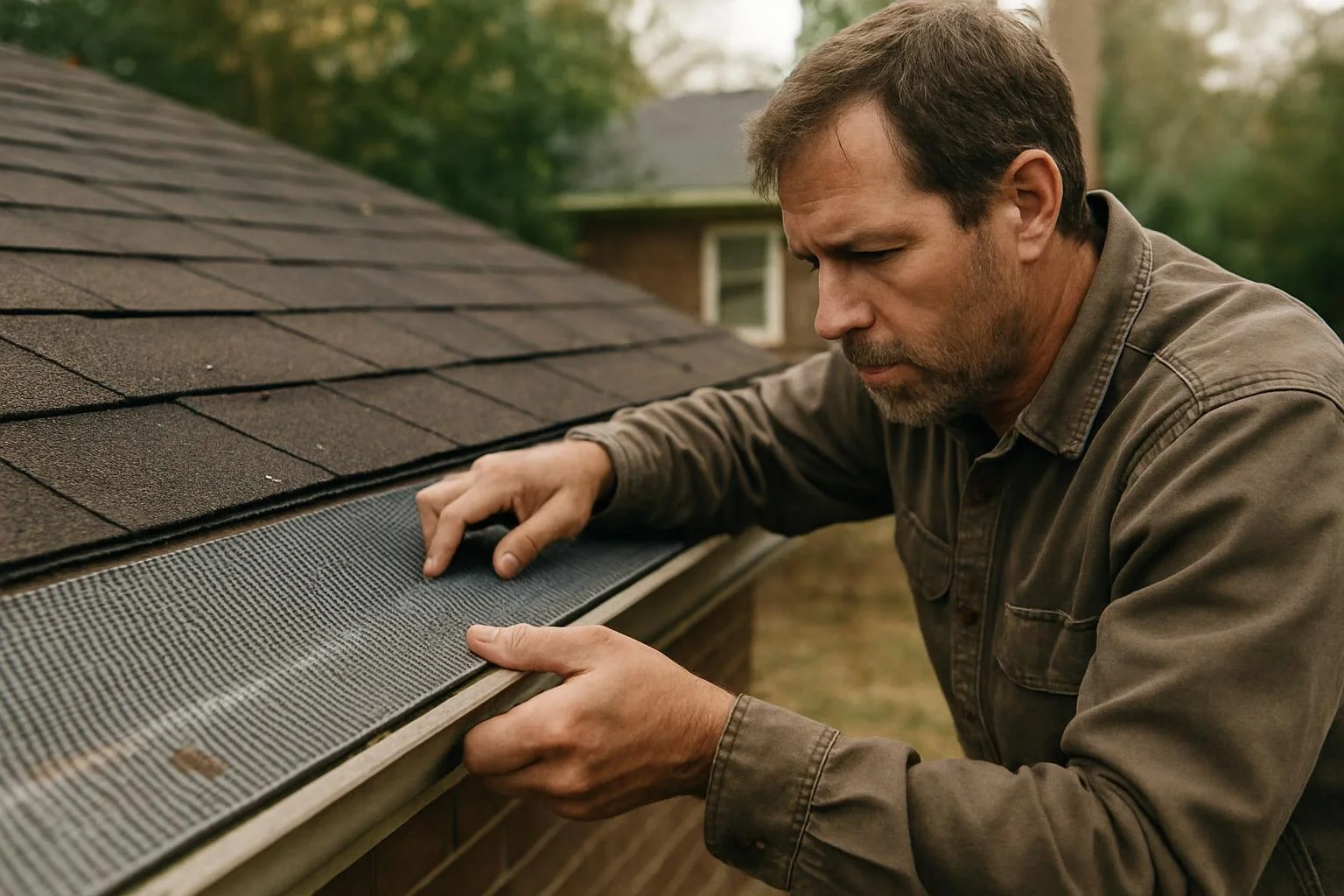
Fayetteville, recognized for its significant precipitation, demands gutters that can effectively direct water away from the home. The installation process must take into account the area-specific weather including the amount and power of rainfall. In locations with significant rain, it’s crucial to utilize elements that can resist the force and amount of water without getting damaged or blocked.
Springfield’s hilly terrain also influences gutter installation. The natural slope of the land can influence the way liquid moves, making it important to construct a gutter setup that takes into account these variations. In these locations, the placement procedure may demand more stability or adjustments to ensure that water is properly directed away from the home.
Fort Smith, with its frequent thunderstorms, demands a gutter system that can manage abrupt and powerful rainfalls. The setup must be executed carefully to stop overflow and moisture damage. Homeowners in this area should work with professionals who comprehend the unique difficulties created by the local weather conditions.
Best Choices for Arkansas conditions
Picking the right options for gutter installation in Arkansas is crucial for making sure long-term performance and sturdiness. The state’s weather conditions, including severe rainfall and heat variations, demand choices that can endure these issues without damaging operation.
Aluminum is a top choice for many residents in Arkansas due to its sturdiness and protection to rust. It is lightweight, making it straightforward to set up, and it can deal with the region’s regular rain without degrading. In places like Fayetteville, where downpours is usual, aluminum gutters offer reliable safety against moisture harm.
Vinyl gutters are another option that provides affordability and simplicity of maintenance. They are resistant to rust and can deal with the moisture in Arkansas’s conditions. However, they may not be as durable as aluminum in extreme weather conditions. For property owners in areas like Little Rock, where the conditions is damp, vinyl gutters can be a workable option, provided they are adequately maintained.
Steel gutters are less often used in Arkansas but are still an option for residents who focus on strength and resilience. They are very immune to harm and can withstand heavy precipitation. However, they are heavier and may need extra stability during setup. In regions like Fort Smith, where storms are common, steel gutters may be a fitting choice for those desiring for long-lasting functionality.
In additionally to these materials, the installation procedure must take into account the regional conditions. Appropriate angle, stable fastening, and ongoing care are important for guaranteeing that the picked options function as expected. Property owners in Arkansas should seek advice with experts who comprehend the particular obstacles of the place and can suggest the best materials for their house.
Gutter Installation Costs in Arkansas
The expense of gutter installation in Arkansas changes depending on several factors, including the type of materials used, the size of the home, and the complexity of the installation. On average, homeowners can expect to pay between $3 and $10 per linear foot for professional installation, with the total cost ranging from $1,500 to $5,000 for a typical residential property.
Vinyl gutters are generally the most affordable option, with installation costs ranging from $3 to $5 per linear foot. These gutters are lightweight and simple to install, making them a popular choice for budget-conscious homeowners. However, they may not be the best option for areas with heavy rainfall, as they can become brittle over time.
Aluminum gutters are more expensive than vinyl but offer greater durability and resistance to corrosion. The cost for aluminum installation typically ranges from $5 to $8 per linear foot. This option is ideal for homeowners in areas like Fayetteville, where heavy rainfall is common. Aluminum gutters can last for many years with proper maintenance, making them a cost-effective investment over time. https://docs.monadical.com/ohIzrCNQQbWuOz2qPO0kPw
Steel gutters are the most expensive option, with installation costs ranging from $8 to $10 per linear foot. They are highly durable and can withstand extreme weather conditions, making them a good choice for homeowners in regions like Fort Smith, where thunderstorms are frequent. However, the higher upfront cost may be a consideration for some homeowners.
In addition to the cost of materials, other factors such as labor, permits, and local regulations can affect the overall price. Homeowners in Arkansas should work with trusted professionals who provide open pricing and clear information about the installation process.
Gutter maintenance Guidelines for Arkansas property Owners
Regular maintenance is essential for ensuring that gutters in Arkansas operate effectively and remain for many decades. Homeowners should create a frequent maintenance schedule to stop clogs and make sure proper water flow
In cities like Little Rock, where moisture is elevated, homeowners should inspect their gutters often to stop mildew and mold buildup. Cleaning gutters at minimum two times a year is suggested. This helps clear leaves, limbs, and other waste that can accumulate and impede the movement of fluid
Fayetteville, known for its substantial rainfall, demands higher frequent maintenance to ensure that gutters can handle the quantity of liquid. Property Owners should inspect their gutters post each significant storm occasion to locate any possible challenges, such as breaks or drooping. Quick solutions can stop greater extensive injury and lower the demand for expensive replacements
Springfield’s undulating landscape can impact the way water flows through the gutter system, making it important to check the gutters often for indications of harm. Homeowners should search for cracks, rust, or unsecured fastenings that could weaken the system’s functionality. In regions with steep inclines, more assistance may be required to make sure proper runoff
Fort Smith, with its regular tempests, requires a anticipatory method to gutter care. Homeowners should clean their gutters often to avoid clogs and make sure that the system can handle unexpected rainstorms. It’s also crucial to examine for any evidence of fluid injury around the foundation as this could indicate a issue with the gutter system
In additionally to ongoing maintenance, property owners should also check the water pipes to guarantee they are guiding liquid off from the residence. Correctly working drainpipes are crucial for avoiding fluid from collecting around the foundation which can lead to structural issues over duration
Area Building Codes for Gutters in Arkansas
Property owners in Arkansas must be aware of the area building codes and regulations that apply to gutter installation. These codes are designed to make sure that gutters are installed properly and efficiently, protecting both the property and the surrounding property. Compliance with these regulations is crucial to avoid possible problems and ensure that the gutter installation functions as intended.
In cities like Little Rock, the area building codes require gutters to be installed with the correct slope to make sure appropriate drainage. The slope must be sufficient to prevent water from pooling and to direct it away from the home. Property owners should work with professionals who are familiar with these standards to make sure that the installation meets all necessary requirements.
Fayetteville’s building codes also emphasize the importance of proper gutter installation, particularly in areas with heavy rainfall. The codes may include specific guidelines on the materials used, the size of the gutters, and the placement of downspouts. Homeowners should consult with local authorities or a professional installer to understand the specific requirements in their area.
Springfield’s building codes take into account the region’s hilly terrain, which can affect the way water flows through the gutter system. The codes may include additional requirements for securing gutters to prevent sagging or detachment, especially in areas with steep slopes. Homeowners should ensure that their gutter system is designed to handle these unique challenges.
Fort Smith’s building codes are particularly strict due to the region’s frequent thunderstorms. The codes may require gutters to be installed with reinforced fasteners and additional support to withstand heavy downpours. Homeowners should work with professionals who understand these requirements to ensure that their gutter system is built to last.
Signs Your Gutters Need Repair in Arkansas
Homeowners in Arkansas should be aware of the signs that indicate their gutters may need repair. Early detection of issues can prevent more extensive damage and reduce the need for costly replacements. Regular inspections are essential for identifying potential problems before they become major concerns.
One of the most common signs that gutters need repair is sagging or receding from the roofline. This can occur due to the weight of debris or incorrect setup. In cities like Little Rock, where humidity is high, drooping gutters can lead to water pooling around the home, increasing the risk of foundation damage.
Another sign that gutters may need repair is water damage around the foundation. If water is not properly directed away from the home, it can cause erosion, gaps, or even basement flooding. Homeowners in Fayetteville, where rainfall is frequent, should look for signs of water pooling near the base of the house.
Clogged gutters are another common issue that can lead to water damage. Plant matter, sticks, and other debris can accumulate in the gutters, blocking the flow of water. This can cause water to spill and damage the siding, roof, or foundation. In areas like Springfield, where the terrain can affect drainage, obstructed gutters can be particularly problematic.
Leaks or cracks in the gutters are also a sign that repairs are needed. These issues can lead to water leaking into the walls or foundation, causing long-term damage. Homeowners in Fort Smith, where thunderstorms are frequent, should examine their gutters regularly for any signs of damage that could jeopardize the system’s effectiveness.
In addition to these signs, homeowners should also look for water stains or mold growth on the walls or foundation. These can indicate that water is not being properly directed away from the home. Quick repairs are essential to prevent further damage and ensure the longevity of the gutter system.
FAQ
What are the most common types of gutters used in Arkansas?
Homeowners in Arkansas commonly use vinyl gutters. Vinyl gutters are popular for their affordability and ease of installation, while non-ferrous gutters are favored for their durability and resistance to corrosion. Steel gutters are less common but offer high strength and longevity, making them suitable for areas with frequent heavy rainfall or thunderstorms. For dependable Gutter Installation in Arkansas in Arkansas, AGM Gutters provides experienced guidance and practical solutions.
How do climate conditions in Arkansas affect gutter installation?
The humid subtropical climate in Arkansas, with its frequent rainfall and temperature fluctuations, requires gutters that can handle heavy water flow and resist damage. Cities like Fayetteville and Fort Smith experience heavy rain and thunderstorms, which means gutter must be designed with proper slope, secure fastening, and materials that can withstand these conditions.
What materials are best suited for Arkansas weather?
Aluminum gutters are a top choice for many homeowners in Arkansas due to their strength, resistance to corrosion, and ability to handle heavy rainfall. Plastic gutters are also popular for their affordability and ease of maintenance, while metal gutters offer durability for areas with extreme weather conditions. The choice of material should consider local climate, maintenance needs, and long-term performance.
What is the typical cost of gutter installation in Arkansas?
The cost of gutter installation in Arkansas typically ranges from $3 to $10 per linear foot, with the total cost for a typical residential property ranging from $1,500 to $5,000. The price varies based on the type of materials used, the size of the home, and the complexity of the installation. Polymer gutters are generally the most affordable, while aluminum and metal gutters offer greater durability at a higher cost.
What are the steps involved in professional gutter installation? https://pad.batsense.net/m8_xoktnR_CepnhbKT7XmA
Professional gutter installation in Arkansas begins with an assessment of the home’s eaves and water management. The process includes measuring the space, selecting the appropriate materials, and installing the gutters with the correct slope for proper water flow. Drain pipes are then added to direct water away from the foundation, and the system is inspected to ensure it meets local building codes and weather requirements.